Why a Person Becomes a Ghost – 3 Main Reasons Revealed
Why a Person Becomes a Ghost: Spiritual Beliefs and Paranormal Theories
For centuries, people around the world have wondered about the afterlife and the possibility of spirits remaining connected to the physical world. One of the most commonly asked paranormal questions is why a person becomes a ghost. Across spiritual traditions, paranormal research, and folklore, there are many beliefs about why some spirits may continue to appear after death.
While no one can fully prove what happens after death, many spiritual practitioners and paranormal investigators believe ghosts are connected to unfinished emotions, strong energy, or spiritual attachment to places and people.
What Is a Ghost?
A ghost is commonly described as the spirit or energy of a person who has passed away but continues to remain connected to the physical world in some way.
People who believe in ghosts often describe experiences such as:
- Feeling a spirit presence
- Hearing unexplained sounds
- Seeing apparitions or shadows
- Receiving signs from loved ones
- Sudden temperature changes
- Paranormal activity in certain locations
Different cultures and spiritual beliefs interpret ghosts in different ways.
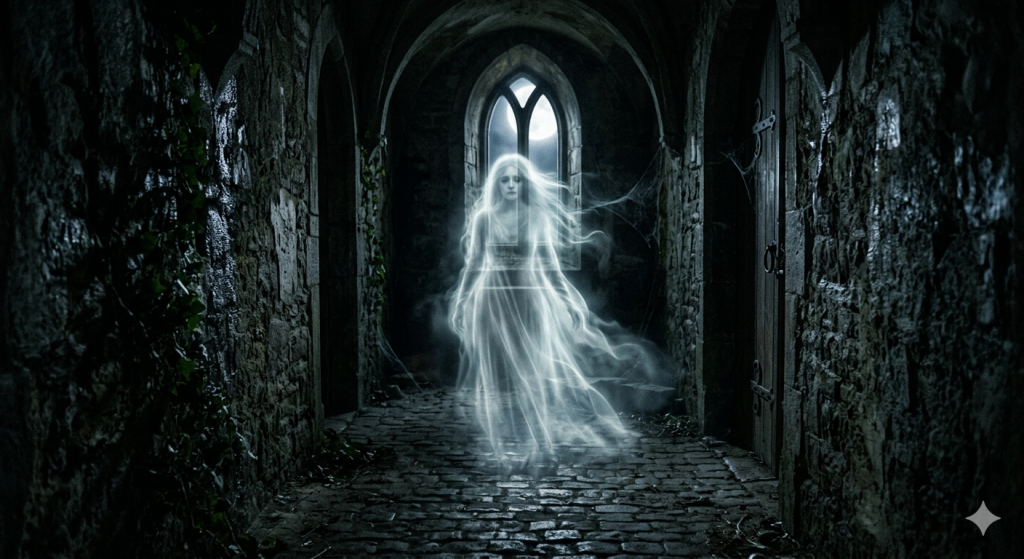
Why a Person Becomes a Ghost According to Spiritual Beliefs
Many spiritual traditions believe why a person becomes a ghost is because their energy remains attached to the earthly plane after death.
Common spiritual explanations include:
- Unfinished emotional issues
- Strong attachment to loved ones
- Sudden or traumatic death
- Fear of moving on spiritually
- Desire to deliver a message
- Protection over family or property
Some believe ghosts are not trapped souls, but simply energetic impressions or temporary spiritual connections.
Unfinished Business and Emotional Attachment
One of the most common theories about why a person becomes a ghost is unfinished business. Spiritual believers often suggest that powerful emotions can keep energy connected to certain people or locations.
This may include:
- Unresolved relationships
- Unspoken words
- Guilt or regret
- Emotional trauma
- Strong attachment to a home or loved one
In paranormal beliefs, these emotional energies may create a lingering spiritual presence.
Sudden or Traumatic Death
Some spiritual traditions believe sudden or traumatic deaths may contribute to ghostly activity. The theory suggests the spirit may remain confused or emotionally attached after passing unexpectedly.
People often associate hauntings with:
- Accidents
- Violent events
- Sudden illness
- Emotional shock
However, many spiritual practitioners believe spirits eventually transition peacefully with healing and guidance.
Spirits Trying to Communicate
Another explanation for why a person becomes a ghost is the belief that spirits may attempt to communicate with the living.
People who report spirit communication often describe:
- Dreams involving loved ones
- Repeating signs or symbols
- Feeling someone’s presence
- Hearing familiar voices
- Electrical disturbances
Many believe these experiences are intended to provide comfort, reassurance, or messages from the spirit world.
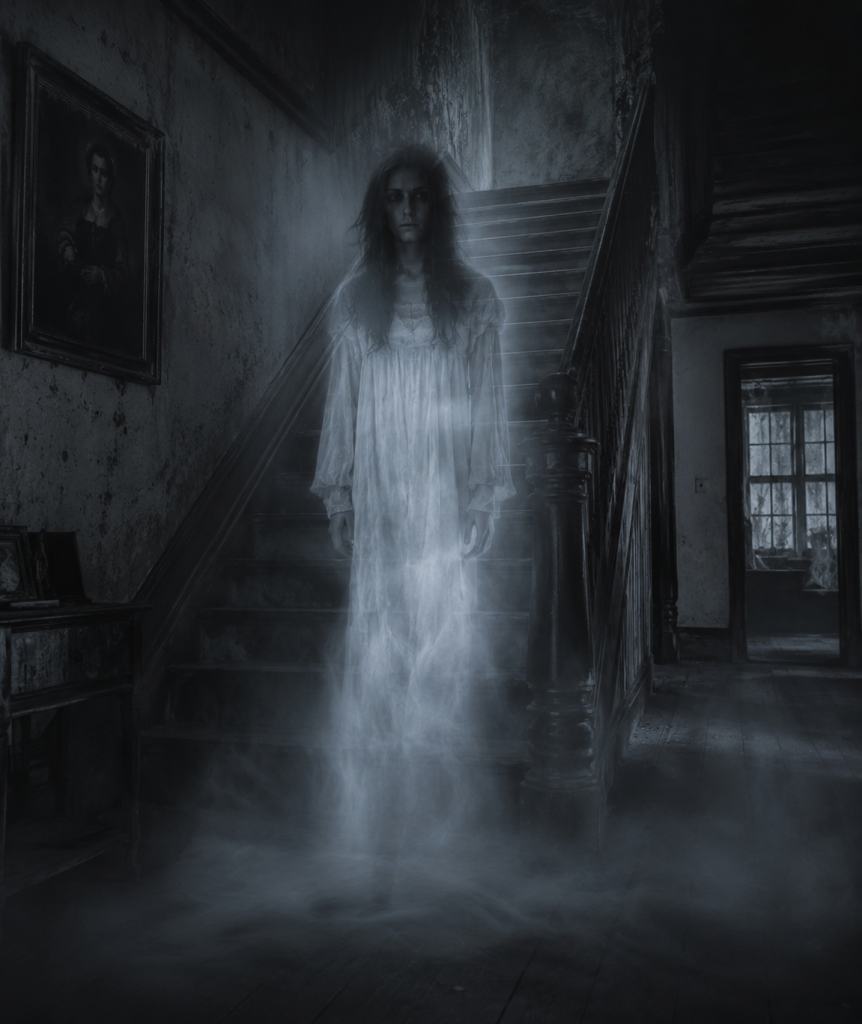
Residual Hauntings and Energy Imprints
Not all paranormal activity is believed to involve conscious spirits. Some paranormal researchers believe certain hauntings are residual energy recordings.
Residual hauntings may involve:
- Repeating footsteps
- Apparitions appearing in the same place
- Sounds replaying repeatedly
- Emotional impressions tied to locations
In this theory, strong emotional events leave energetic imprints that replay like recordings rather than active spirit communication.
Cultural Beliefs About Ghosts
Different cultures have unique interpretations regarding why a person becomes a ghost.
Eastern Spiritual Traditions
Some Eastern beliefs suggest spirits may linger due to attachment, karma, or unfinished earthly desires.
Western Paranormal Beliefs
Western paranormal traditions often focus on hauntings, spirit communication, and unresolved emotional energy.
Indigenous Spiritual Perspectives
Some Indigenous traditions view spirit presence as part of an ongoing connection between ancestors and the living world.
Can Ghosts Be Harmful?
Most spiritual practitioners believe the majority of spirit experiences are not dangerous. Many reported encounters involve emotional presence rather than harmful intent.
However, people sensitive to energy may feel:
- Fear or anxiety
- Emotional heaviness
- Fatigue in certain environments
Spiritual grounding, prayer, and energy protection practices are commonly recommended for emotional balance and comfort.

Signs Some Believe Indicate a Ghost Presence
People who believe in paranormal experiences often report:
- Sudden cold spots
- Flickering lights
- Feeling watched
- Unexplained scents
- Vivid dreams involving deceased loved ones
- Hearing names or whispers
While these experiences may have natural explanations, many people interpret them spiritually or paranormally.
Spiritual Perspectives on Moving On After Death
Many spiritual teachings suggest that after death, souls eventually transition into a higher spiritual state. Ghost experiences may be temporary connections rather than permanent conditions.
Some believe spirits remain briefly to:
- Comfort loved ones
- Resolve emotional energy
- Complete unfinished lessons
- Deliver reassurance
Others view ghost sightings as symbolic spiritual experiences connected to grief, healing, or intuition.
Final Thoughts on Why a Person Becomes a Ghost
The question of why a person becomes a ghost has fascinated humanity for generations. Spiritual traditions, paranormal theories, and personal experiences all offer different perspectives on spirit presence and the afterlife.
Whether viewed through spirituality, energy theory, or folklore, ghost experiences often reflect humanity’s deep desire to understand life, death, healing, and connection beyond the physical world.